Skip to content
  • 4719 Highway 17N Awendaw, SC 29429
  • (843) 971-7474
  • Thursday - Saturday | 10AM - 4PM
Instagram Facebook Youtube
  • About
    • About The Avian Conservation Center
    • Avian Medical Clinic
    • Center for Birds of Prey
    • SC Oiled Birds Treatment Facility
    • Captive Propagation
    • Research
    • Report a Swallow-Tailed Kite Sighting
    • Staff
  • Visit
    • Tours and Flight Demonstrations
    • Private Group Programs
    • Special Events
    • Distance Learning
  • Support
    • Donate
    • Planned Giving
    • Annual Memberships
    • Sponsor
    • Volunteer Service
    • Internships
  • News
  • Shop
  • About
    • About The Avian Conservation Center
    • Avian Medical Clinic
    • Center for Birds of Prey
    • SC Oiled Birds Treatment Facility
    • Captive Propagation
    • Research
    • Report a Swallow-Tailed Kite Sighting
    • Staff
  • Visit
    • Tours and Flight Demonstrations
    • Private Group Programs
    • Special Events
    • Distance Learning
  • Support
    • Donate
    • Planned Giving
    • Annual Memberships
    • Sponsor
    • Volunteer Service
    • Internships
  • News
  • Shop

Visit

Donate

Report an Injured Bird

Visit

Donate

Report an Injured Bird

  • About
    • About The Avian Conservation Center
    • Avian Medical Clinic
    • Center for Birds of Prey
    • SC Oiled Birds Treatment Facility
    • Captive Propagation
    • Research
    • Report a Swallow-Tailed Kite Sighting
    • Staff
  • Visit
    • Tours and Flight Demonstrations
    • Private Group Programs
    • Special Events
    • Distance Learning
  • Support
    • Donate
    • Planned Giving
    • Annual Memberships
    • Sponsor
    • Volunteer Service
    • Internships
  • News
  • Shop
  • About
    • About The Avian Conservation Center
    • Avian Medical Clinic
    • Center for Birds of Prey
    • SC Oiled Birds Treatment Facility
    • Captive Propagation
    • Research
    • Report a Swallow-Tailed Kite Sighting
    • Staff
  • Visit
    • Tours and Flight Demonstrations
    • Private Group Programs
    • Special Events
    • Distance Learning
  • Support
    • Donate
    • Planned Giving
    • Annual Memberships
    • Sponsor
    • Volunteer Service
    • Internships
  • News
  • Shop
{ PRESERVING & EMPOWERING AVIAN LIFE }

Wildlife medicine requires adaptability, as no two days ever unfold in the same way. Most mornings begin with patient rounds, checking on birds recovering from surgery or reassessing injuries, but it doesn’t take long before the unexpected arrives. Within a few hours, the Clinic may admit a grounded hawk, an injured heron, and a tiny nestling that fell during a storm.

Most people who are not directly involved in caring for injured birds in this capacity cannot comprehend the depth of knowledge and dedication this work demands. Providing medical care for wild birds extends beyond anatomical knowledge or how to properly bandage a wing. It requires an understanding of the unique natural history and behaviors of each species in treatment. A barred owl and a red-tailed hawk may both be raptors, but they live dramatically different lives in the wild. These differences guide us as we care for them and prepare for their release. Our medical team must balance their knowledge of a species with the circumstances of the individual case in order to ensure that each bird has the best chance to return to the wild.

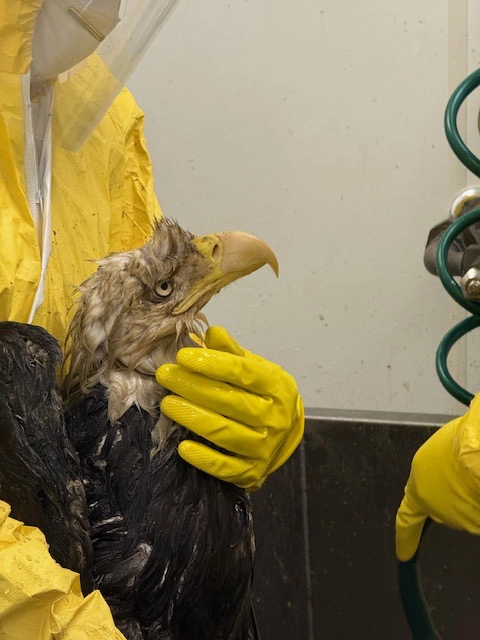
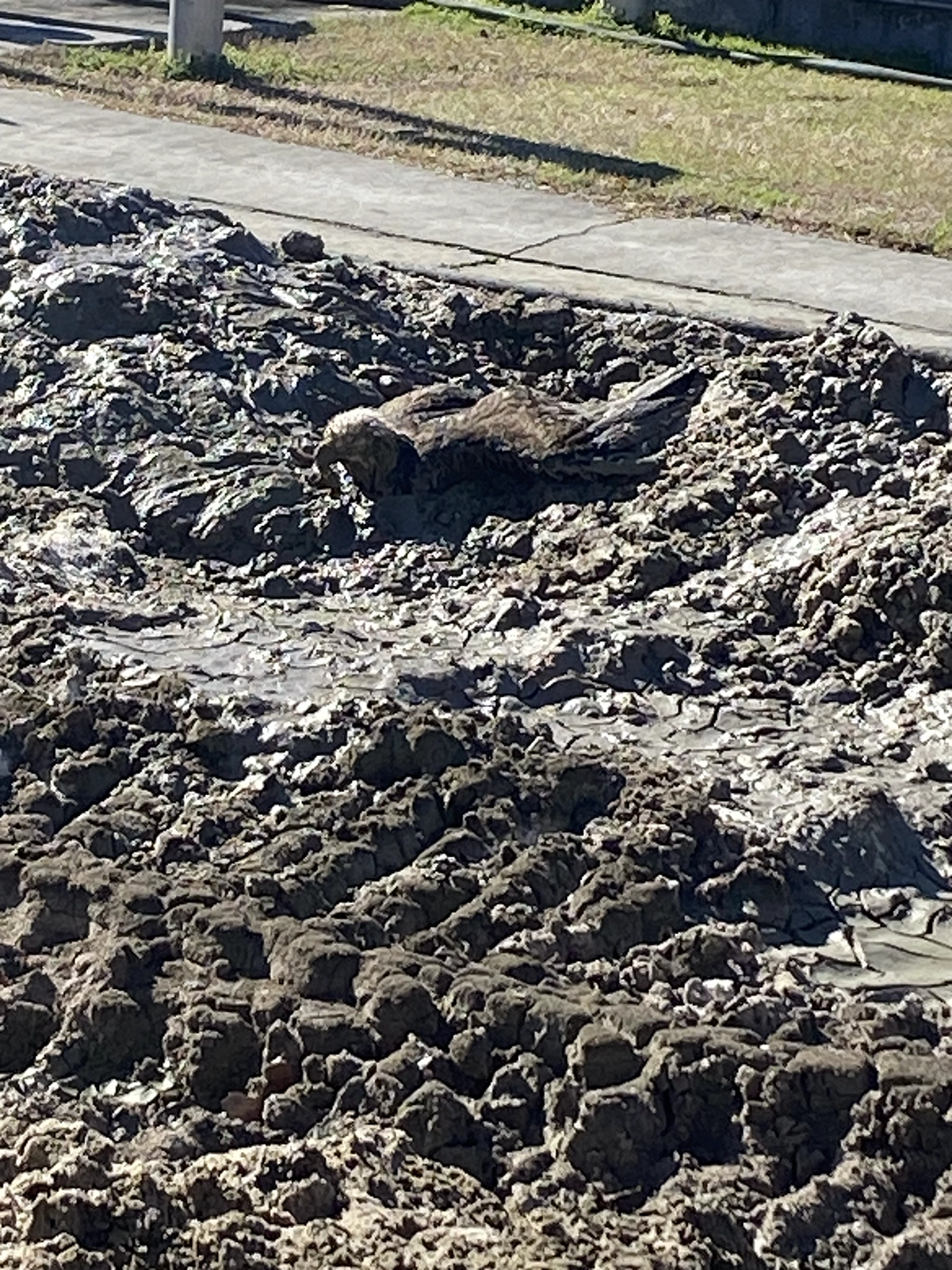
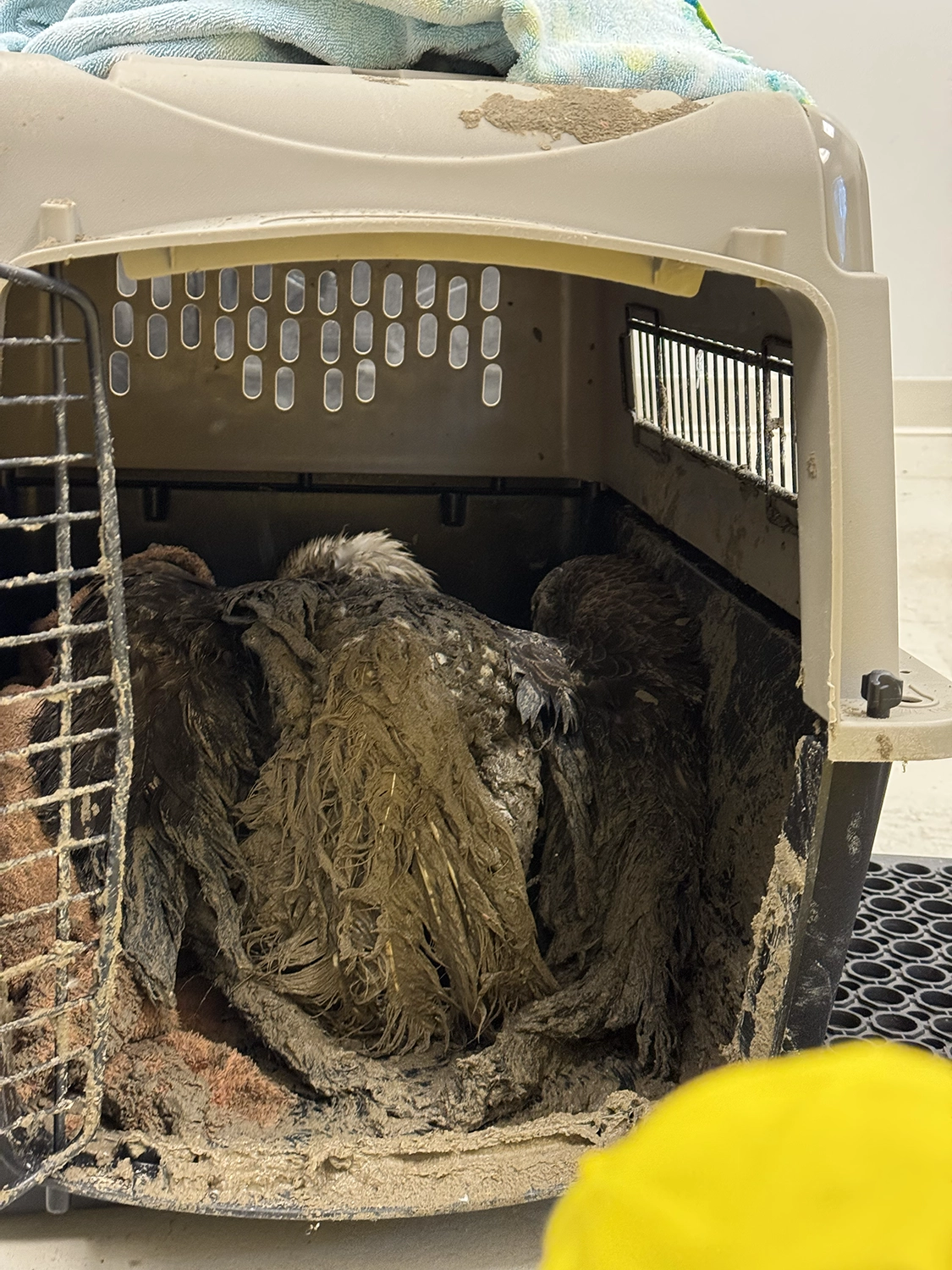
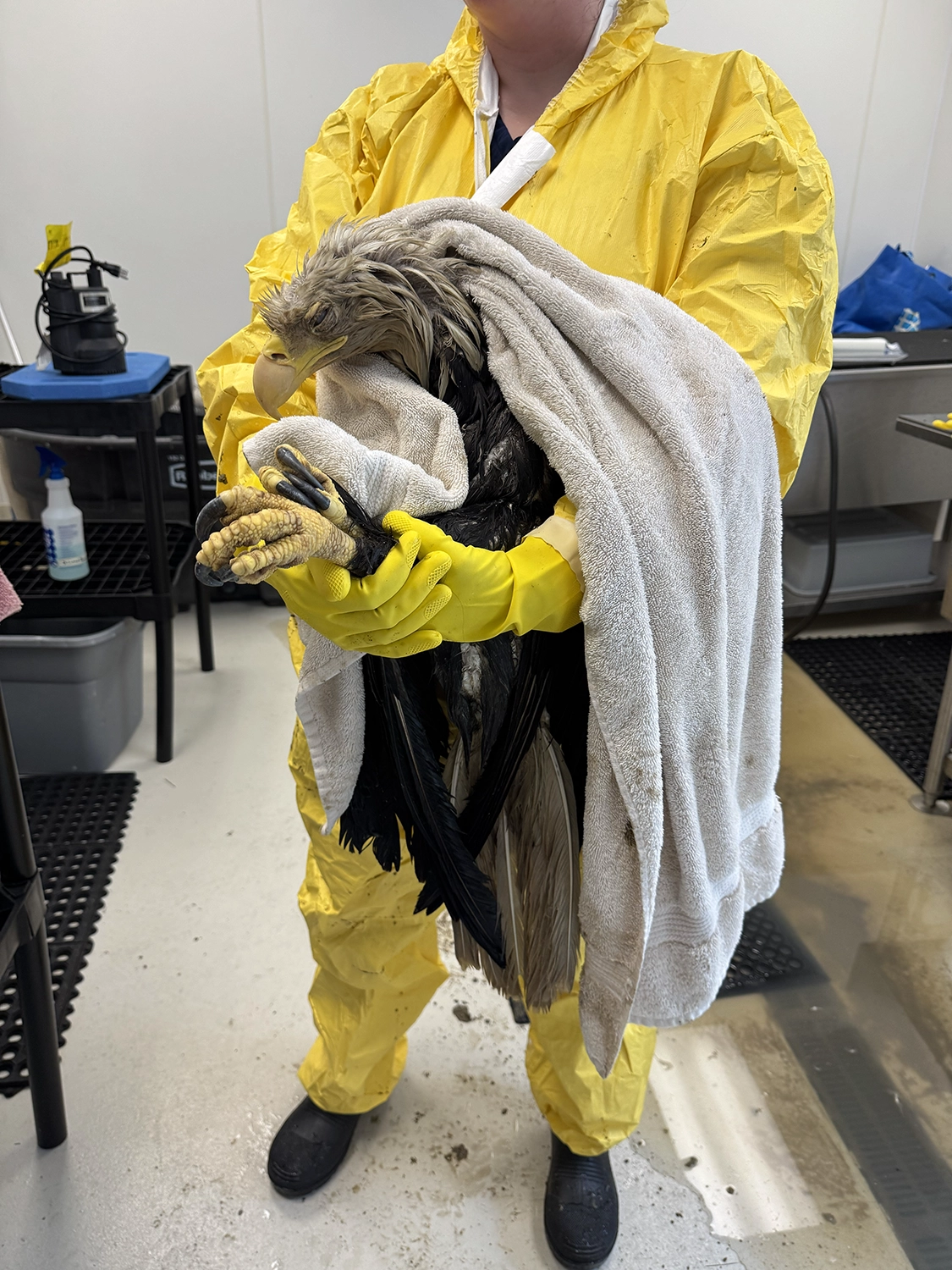
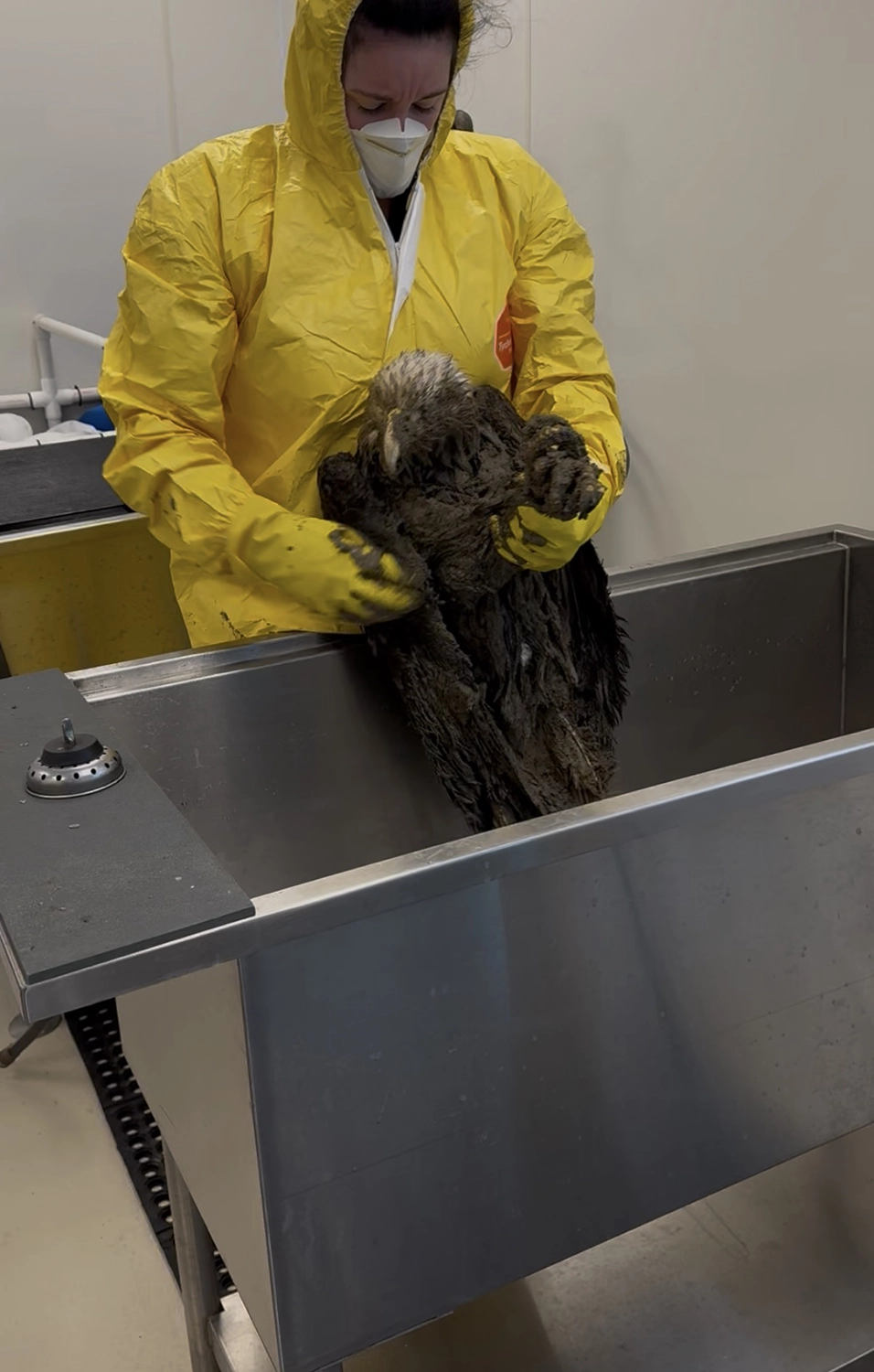
One interesting case unfolded in February when our Avian Medical Clinic admitted a bald eagle that had become trapped in a mud pit at a waste treatment facility. Upon arrival, it was plastered in thick mud and waste. Its feathers were heavily impacted, it was weak, dehydrated, and clearly exhausted. Although we did not know how long it had been trapped, it was clear the eagle had spent a significant amount of time struggling to free itself. Once the bird stabilized, our Clinic staff worked cautiously but quickly to minimize stress and prevent shock, using multiple smaller washes to carefully target different areas of the eagle’s soiled plumage.

During the cleaning, an additional level of urgency was added with the discovery of a brood patch; a bare, highly vascularized area on the underside of a bird that allows it to transfer body heat to incubating eggs or chicks. An active nest was waiting, and it was essential to return this eagle to its family as soon as possible.

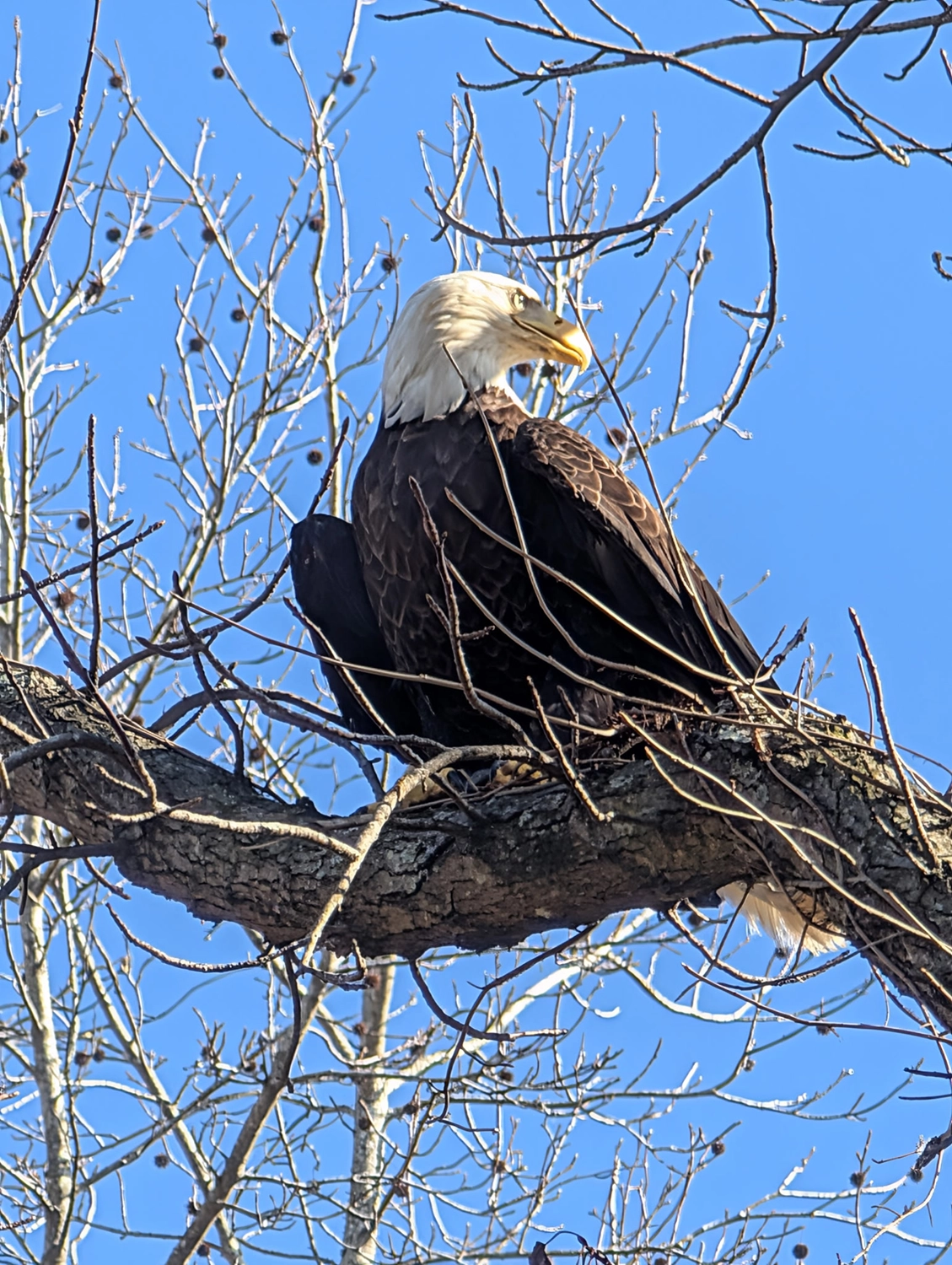
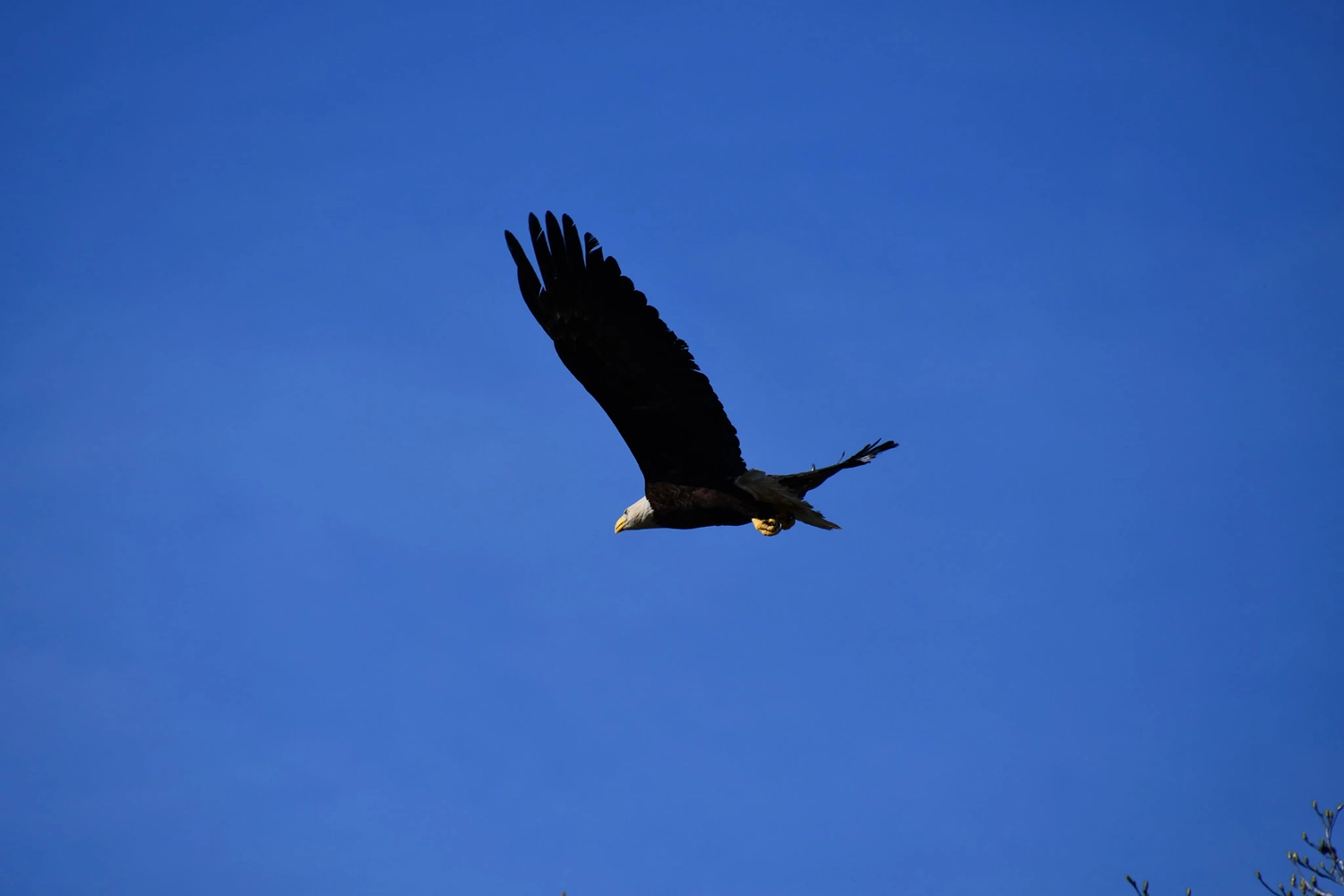
Over the course of two weeks in our care, our medical staff meticulously cleaned the eagle’s feathers and treated eye injuries it had sustained while trapped in the mud. Once its feathers were clean and its eye injuries healed, the bird was released back into its territory where plant workers had seen it with its mate and where we knew a nest was waiting.

Cases like these are a reminder that behind every patient is a team of dedicated and flexible staff, interns, and volunteer staff working to ensure the best possible outcome and to allow the bird the opportunity to once again take flight.
Get Updates And Stay Connected -Subscribe To Our Email List

Upcoming Events

IMG_2514
Instructor-led Photography Course with Chris Smith
Join Expert photographer, Chris Smith of Chris & Cami Photography, for an in-depth workshop focusing...
View Event
No Events Found

Contact Information

  • 4719 Highway 17N Awendaw, SC 29429
  • (843) 971-7474
  • Thursday - Saturday | 10AM - 4PM
  • 4872 Seewee Road
    Awendaw, SC 29429
VOLUNTEER Staff LOGIN
© 2026 Avian Conservation Center. All Rights Reserved. Site by WDW